


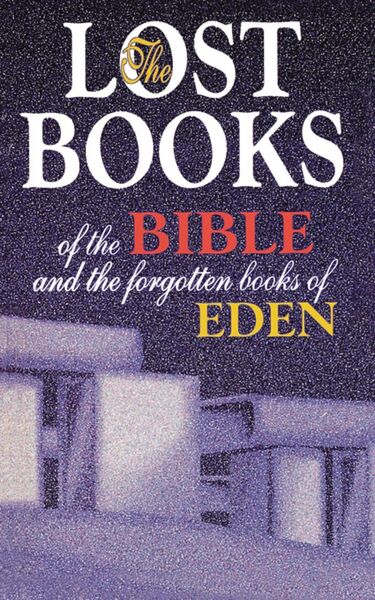

Among the many ancient religious writings that have survived through history, The Forgotten Books of Eden is particularly fascinating. The collection brings together texts that expand upon familiar biblical stories, especially those surrounding Adam and Eve, the Garden of Eden, and the early generations of humanity.
For anyone interested in biblical history, ancient religion, or mysterious forgotten texts, these writings offer a fascinating opportunity to explore stories that are not commonly found in the Bible.
But what exactly are these “forgotten books,” and why are they outside the traditional biblical canon?
What Is The Forgotten Books of Eden?
The Forgotten Books of Eden is a collection of religious and pseudepigraphical writings associated with the biblical tradition.
The collection includes texts such as The First Book of Adam and Eve, The Second Book of Adam and Eve, The Book of Enoch, The Book of Jubilees, and other ancient writings.
These texts were written in different periods and come from different religious traditions. They were not originally written as a single collection called The Forgotten Books of Eden.
The modern collection brings together these writings because they share connections with stories and themes found in Genesis and other parts of the Bible.
Adam and Eve After Eden
One of the most interesting aspects of the collection is its expansion of the story of Adam and Eve.
In the Book of Genesis, their story is relatively short. They live in the Garden of Eden, eat from the forbidden tree, are expelled from paradise, and begin life outside the garden.
But what happened after they left Eden?
Other ancient traditions attempt to answer this question.
The Life of Adam and Eve and related writings describe their struggles outside paradise, their relationship with God, their children, and their experiences with death and suffering.
These stories provide a much larger picture of what ancient writers imagined life was like after humanity’s fall from Eden.
The Book of Enoch
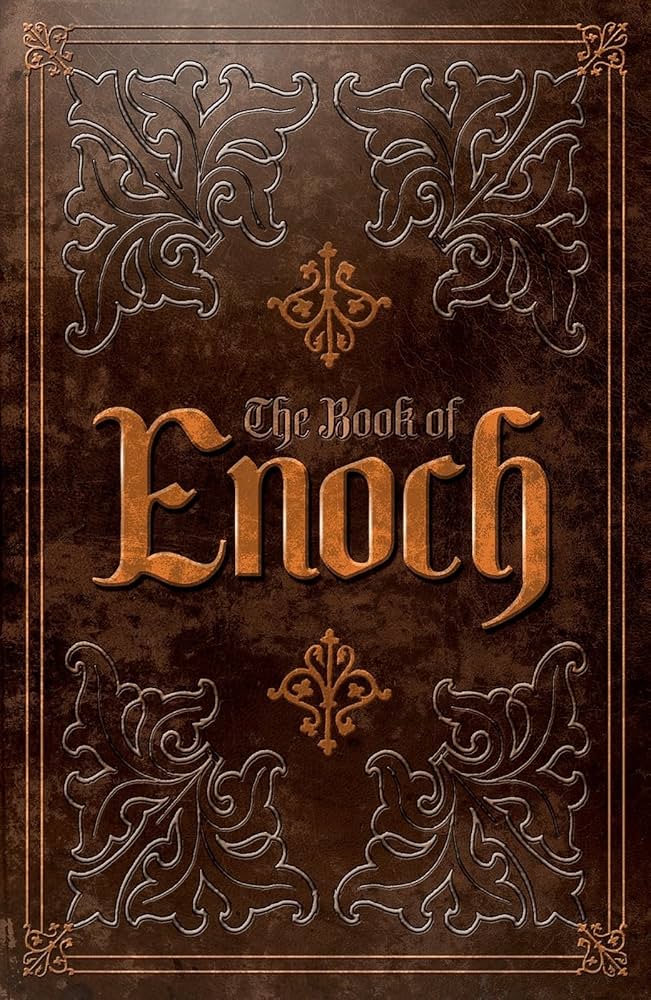
Perhaps the most famous work associated with this collection is the Book of Enoch.
The text is attributed to Enoch, a figure mentioned briefly in Genesis as an ancestor of Noah. However, scholars generally understand the book to have been written much later than the historical period traditionally associated with Enoch.
The book contains visions of heaven, angels, divine judgment, and the future of humanity.
One of its most famous sections concerns the Watchers, supernatural beings who descend to Earth and interact with humans.
The Book of Enoch provides a very different perspective on angels, evil, judgment, and the supernatural world.
Interestingly, 1 Enoch is considered part of the biblical canon of the Ethiopian Orthodox Tewahedo Church, while most other Christian traditions do not include it in their biblical canon.
The Book of Jubilees
Another important text associated with this tradition is the Book of Jubilees.
The book retells and expands stories from Genesis and the early part of Exodus. It presents biblical history through a particular chronological framework, dividing history into periods called jubilees.
It also adds details about angels, the law, religious practices, and the lives of biblical characters.
Rather than simply telling a completely new story, Jubilees can be seen as an ancient interpretation and expansion of familiar biblical narratives.
Angels, Demons, and the Supernatural World
One of the most striking differences between these writings and the Bible is the amount of attention given to supernatural beings.
Angels appear frequently, sometimes acting as messengers and sometimes as powerful beings involved in heavenly events.
Other writings describe demons, fallen angels, heavenly journeys, and battles between spiritual forces.
These stories provide an interesting insight into how some ancient religious communities understood the relationship between humanity and the supernatural world.
They also help explain why concepts such as fallen angels, heavenly realms, and spiritual beings became important themes in later religious traditions.
The Mystery of Lost Knowledge
Perhaps this is what makes The Forgotten Books of Eden so appealing to modern readers.
The collection creates the feeling that there is a much larger world of ancient literature behind the familiar stories of the Bible.
It makes us wonder how many stories existed that were never preserved, how many manuscripts were destroyed, and how many traditions disappeared over the centuries.
Ancient literature was not limited to the books that eventually became part of the Bible.
There were many different communities, writers, interpretations, and traditions.
These texts give us a small glimpse into that much larger world.
The Forgotten Books of Eden is a fascinating collection of ancient religious traditions that expands the world surrounding familiar biblical stories.
Whether you approach these writings as religious literature, historical documents, mythology, or simply fascinating ancient stories, they offer a different perspective on the origins of humanity and the world described in biblical tradition.
They also remind us that the ancient religious world was far more diverse than the texts most of us encounter today.
Perhaps the most interesting part is not whether these forgotten stories are literally true, but what they reveal about the people who wrote them—and their desire to understand the mysteries of existence.
Sometimes, looking beyond the familiar story can lead to an entirely different view of the ancient world.